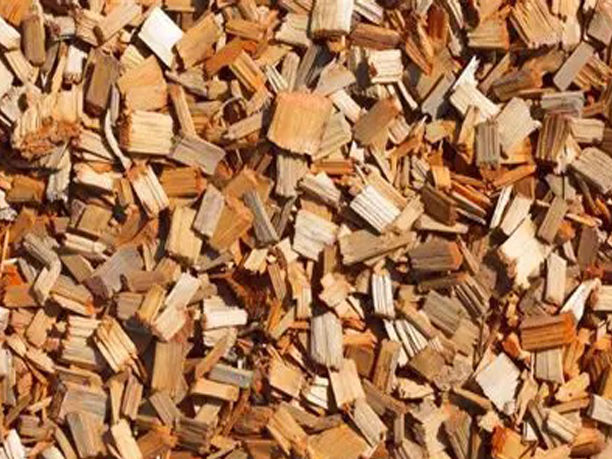
The supply of loose biomass, briquettes and pellets forms a foundational service offered by Tejaswi Renewable Energy, supporting industries that require stable, cost-efficient and environmentally responsible thermal-energy sources. This service ensures uninterrupted access to high-quality biomass fuel products engineered to meet the combustion and steam-generation requirements of diverse industrial sectors. By integrating advanced sourcing networks, scientific processing methodologies and precision-controlled logistics, the organization delivers consistent fuel performance essential for maintaining operational reliability and reducing dependency on fossil fuels. Loose biomass, sourced from agricultural residues and forest by-products, undergoes screening, drying, size preparation and impurity removal to enhance burn characteristics and reduce moisture-related inefficiencies. This category supports clients requiring flexible fuel-handling systems and cost-effective alternatives to conventional fuels.
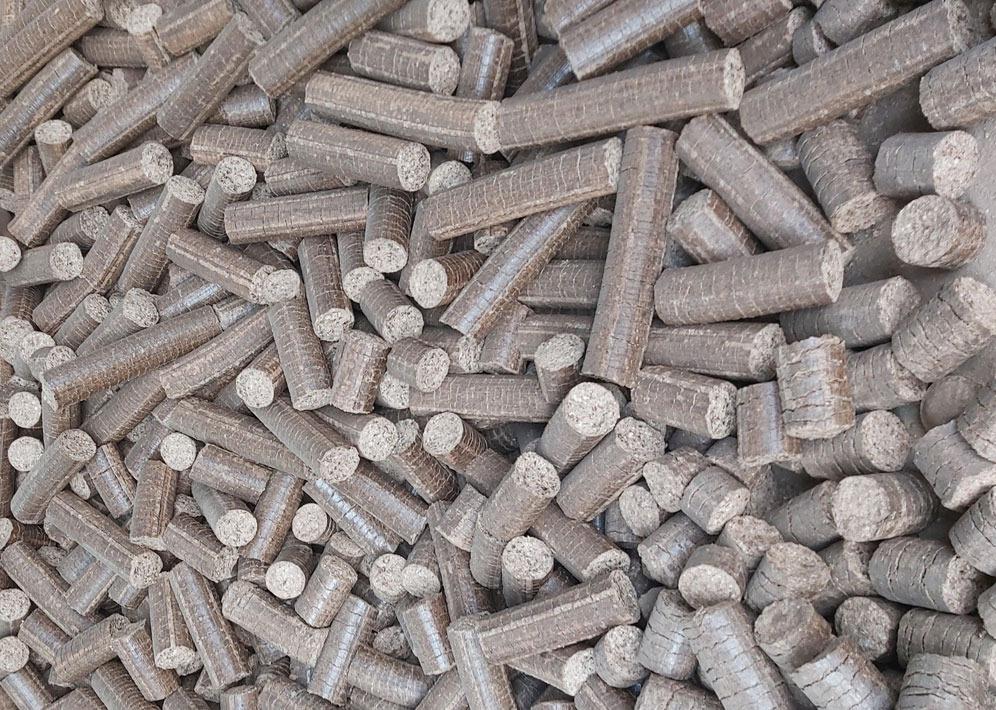
Briquettes, manufactured through controlled densification processes, provide uniformity in size, density and structural strength, delivering stable and longer combustion cycles with lower ash content. Quality assurance forms a critical component of the supply model.
Each batch is evaluated for calorific strength, moisture levels, ash generation, volatile matter, density and durability to ensure predictable performance in client boilers. These parameters directly influence steam output stability, fuel consumption rate, maintenance intervals and emission-control outcomes. By maintaining strict quality-control benchmarks, Tejaswi Renewable Energy supports industries in achieving consistent thermal performance with reduced operational risk.
The logistics framework supports timely and uninterrupted supply through systematic route planning, moisture-protected transportation, dedicated fleet operations and storage-management protocols. Delivery schedules are synchronised with client consumption patterns to avoid stock shortages or unnecessary storage burdens. Digital tracking tools provide real-time visibility into shipment status, ensuring transparency and operational planning support for clients.
Fuel Varieties Supplied
Paddy Husk
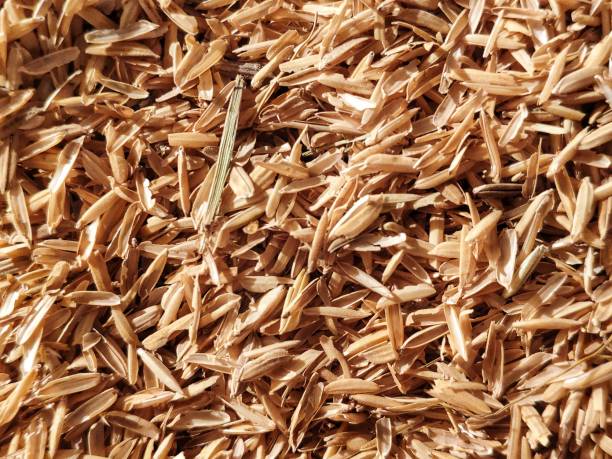
Paddy husk, also known as rice husk, is one of the most widely used agro-based biomass fuels for industrial steam generation. Its naturally high silica content and moderate calorific value make it an effective and economical alternative to coal and furnace oil. Paddy husk is lightweight, easy to handle and available in large volumes throughout the year due to continuous rice milling operations. When processed correctly, it offers stable combustion with predictable burn behaviour, low moisture content and reduced volatile emissions. Industries prefer paddy husk for its cost-efficiency, consistent supply and suitability for both grate-fired and fluidised-bed boilers. Tejaswi Renewable Energy sources, screens and conditions the fuel to improve flowability, reduce impurities and enhance thermal output. Its sustainable origin and carbon-neutral profile help industries lower operational costs while achieving environmental compliance and ESG goals.
Groundnut Husk
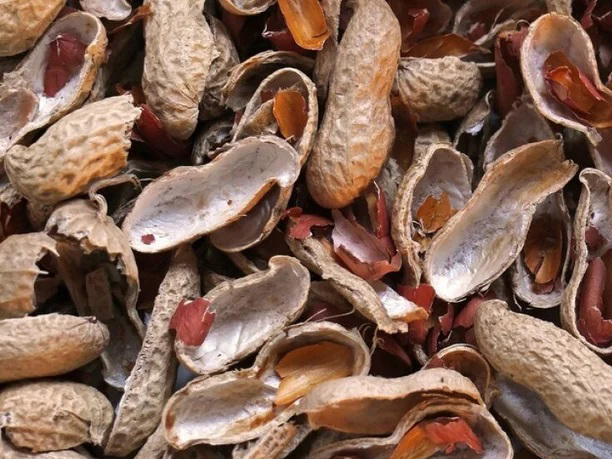
Groundnut husk is a high-energy biomass fuel derived from the processing of groundnuts. It offers excellent calorific value, uniform combustion characteristics and lower ash content compared to many other agro-residues. Industries prefer groundnut husk because it burns steadily, supports longer combustion cycles and produces minimal clinker formation, making boiler maintenance easier and more predictable. Its fibre-rich composition ensures good flame stability and efficient heat transfer, particularly in grate-fired and multi-fuel boilers. Tejaswi Renewable Energy ensures that the husk is properly cleaned, dried and size-graded to improve boiler compatibility and combustion efficiency. This fuel is especially valued in regions with strong groundnut cultivation, providing both affordability and reliable year-round availability.
Coffee Husk
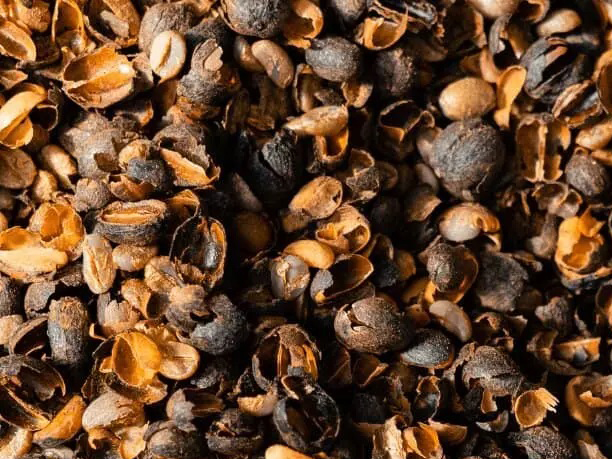
Coffee husk is an agricultural by-product generated during the processing of coffee cherries. It is a premium-grade biomass fuel known for its higher calorific value, aromatic combustion profile and stable heat-release characteristics. Due to its lightweight structure and low ash output, coffee husk provides cleaner burning and reduces the incidence of clinker formation inside boilers. It is especially suitable for industries requiring smoother fuel feeding, faster ignition and reduced operational downtime. Tejaswi Renewable Energy sources and processes coffee husk to maintain uniform particle size, consistent moisture levels and improved combustion performance. Its availability is seasonal, but when properly stored and conditioned, it offers excellent steam-generation efficiency. Coffee husk helps industries reduce operational costs, enhance sustainability compliance and adopt environmentally responsible energy practices.
Biomass Briquettes
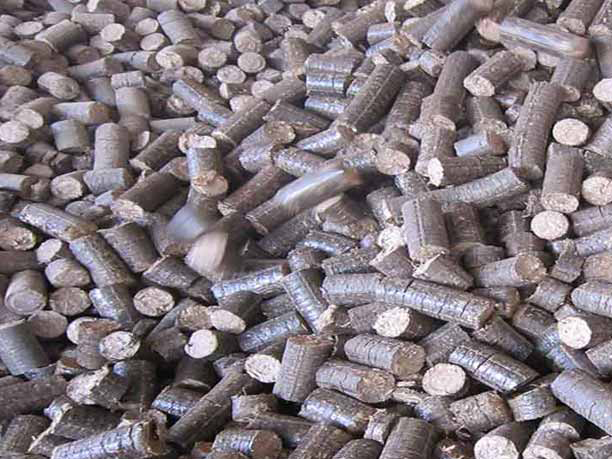
Biomass briquettes are densified fuel blocks manufactured from agricultural and forestry residues. Their uniform shape, size and density make them one of the most efficient and predictable biomass fuels for industrial steam generation. Briquettes offer high calorific value, consistent moisture levels and reduced ash content, enabling steady combustion and improved thermal efficiency. Their compact structure ensures longer burn cycles and minimal smoke production, making them suitable for boilers requiring continuous and controlled energy output. Tejaswi Renewable Energy supplies briquettes produced through advanced densification processes that enhance structural strength and durability during storage and transport. They also eliminate issues associated with loose biomass such as bulkiness, irregular sizing and higher moisture absorption.
Biomass Pellets
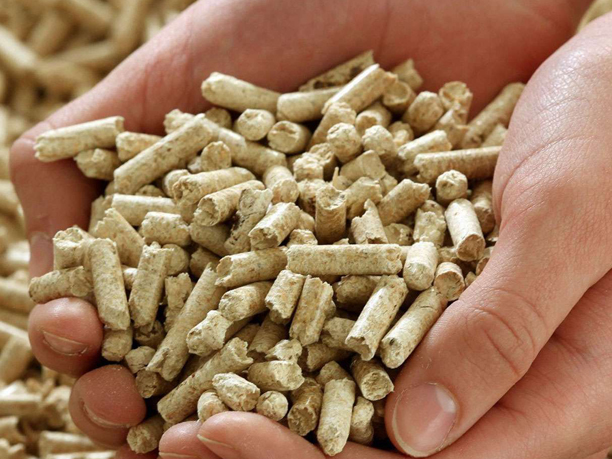
Biomass pellets are precision-engineered renewable fuels manufactured through high-pressure compaction of biomass residues. They offer exceptional consistency in size, shape, moisture content and calorific value, resulting in highly efficient combustion and optimal boiler performance. Pellets burn hotter, cleaner and longer than most loose biomass materials, making them suitable for advanced combustion systems, automated feeding mechanisms and high-pressure industrial boilers. Tejaswi Renewable Energy supplies high-quality pellets that undergo rigorous testing for density, durability, ash content and energy output. Their low moisture level improves burning efficiency, reduces fuel consumption and minimises boiler fouling. Pellets also enhance operational safety by eliminating material bridging, dust generation and moisture-related issues.

Sawdust
Sawdust is a fine, wood-based biomass residue generated during timber processing. Known for its easy ignition and rapid combustion characteristics, it is widely used as a supplementary biomass fuel in various industrial applications. Sawdust provides consistent heat release and burns evenly when properly dried and sieved, making it ideal for boilers with controlled feeding systems. Tejaswi Renewable Energy processes sawdust to maintain uniform particle size and low moisture content, ensuring efficient combustion and reduced smoke generation. Its lightweight nature enables quick mixing with other agro-residues to improve burn profiles and increase calorific value. Sawdust is also valued for its availability and cost-effectiveness, especially in regions with strong woodworking and sawmill operations. When incorporated into biomass-fuel strategies, it offers improved operational flexibility and reduced fossil-fuel.
Wood Chips
Wood chips are a widely adopted biomass fuel produced from processed timber, forest residues and plantation wood. They deliver strong calorific performance, stable burn characteristics and lower moisture levels when properly processed. Wood chips support longer combustion cycles and efficient heat transfer, making them suitable for large industrial boilers and furnaces. Tejaswi Renewable Energy supplies graded wood chips that are screened for size consistency, cleaned to remove impurities and conditioned to maintain optimal moisture content. This ensures predictable combustion, reduced ash formation and minimal maintenance interruptions. Their structural density enables reliable feeding through automated or semi-automated fuel-handling systems. Wood chips offer a renewable, carbon-neutral alternative to coal and oil, helping industries significantly reduce emissions while maintaining thermal efficiency.